

Free EMDR Preparation Guide (PDF)
A research-informed overview of the foundations that support trauma recovery and readiness for EMDR.
Why This Guide Exists
Starting or preparing for EMDR often brings up a mix of anticipation and uncertainty. Many people want to know what they can do outside of therapy to feel more grounded, resilient, and regulated before beginning deeper trauma work.
This guide offers a clear, research-informed overview of six lifestyle domains that often influence the nervous system and trauma recovery. It’s designed to help you understand these foundations in a simple, accessible way so you can bring clearer language and ideas into your EMDR therapy.
It is educational, not treatment, and is meant to support your work with a licensed clinician.
What’s Inside the Guide
A simple breakdown of the core lifestyle factors that can support trauma healing.
Clear explanations of how sleep, movement, nutrition, stress, relationships, and coping habits affect nervous system regulation.
Research-informed examples of ways to strengthen your readiness for EMDR.
A curated list of national crisis and support resources.
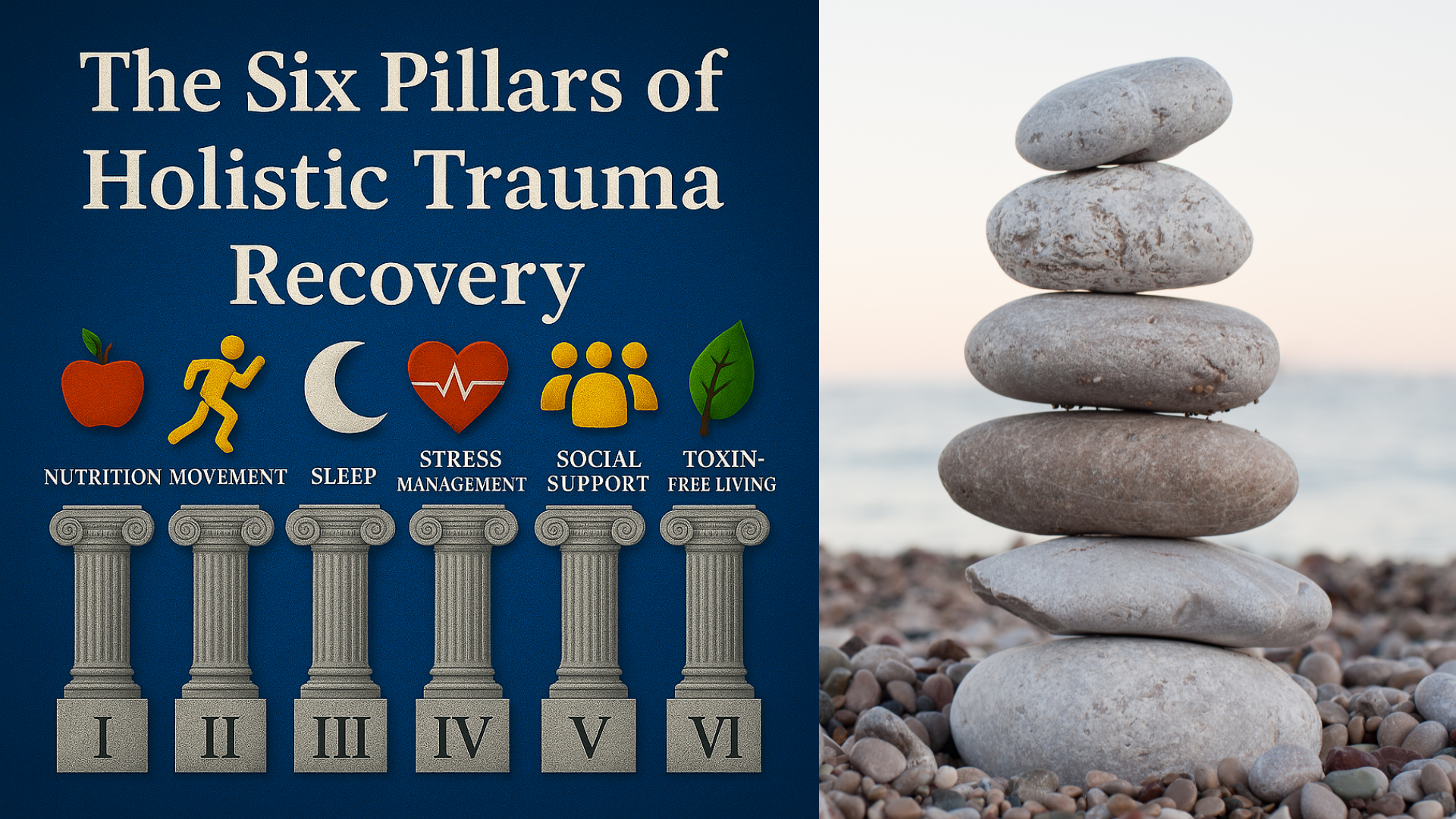
Inside the guide, I use a framework I call The Six Pillars of Holistic Trauma Recovery, a practical way of understanding foundational lifestyle factors that often influence trauma recovery.
If you want to explore the Six Pillars in more depth, you can do that here: The Six Pillars of Holistic Trauma Recovery
Who This Guide Is For
This guide is ideal for:
People preparing to begin EMDR.
Current therapy clients wanting to strengthen their foundation for trauma work.
Anyone wanting to understand how lifestyle factors influence trauma recovery.
Loved ones looking for clearer vocabulary around trauma and healing.
It’s not a substitute for therapy, but it can help you feel more empowered, informed, and prepared.